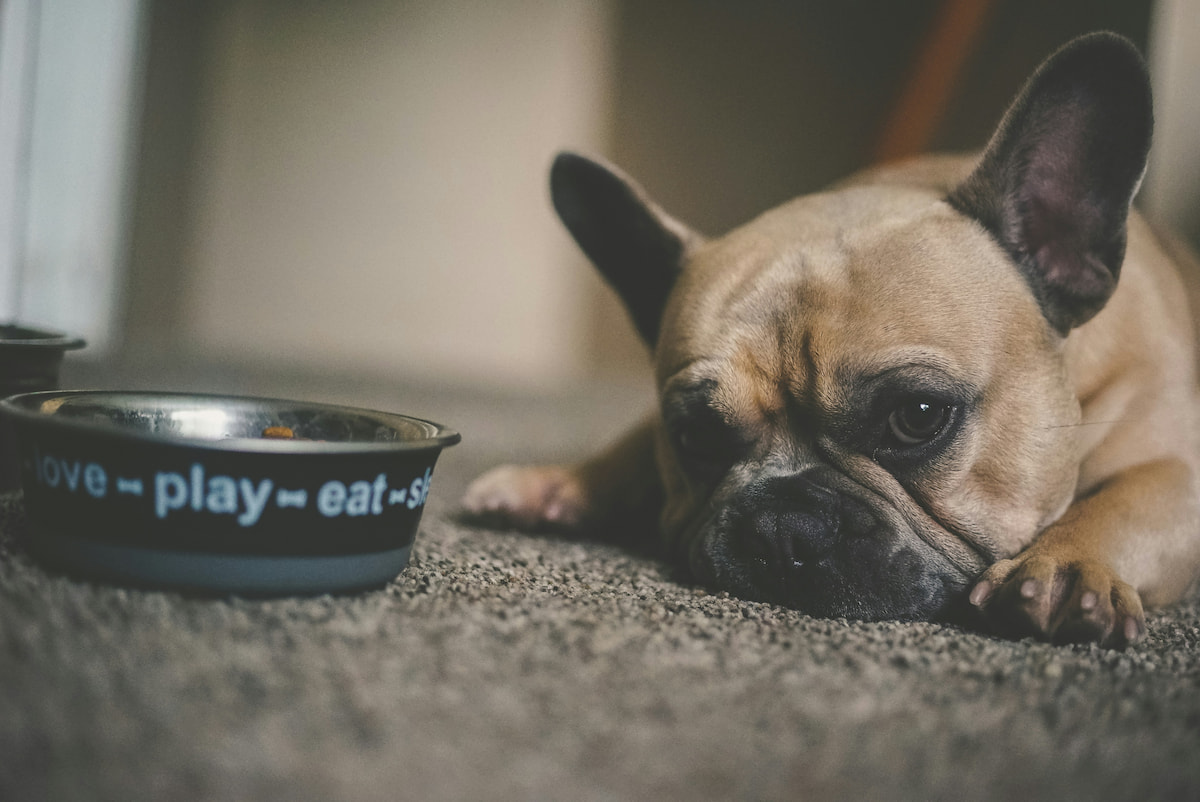
If your dog occasionally skips a meal, it can feel alarming — especially if they normally love food. But in many cases, skipping a single meal isn’t a medical emergency.
Dogs don’t always eat with the same consistency humans expect. Appetite can fluctuate for simple, manageable reasons.
Let’s break down when skipping meals is normal and when it deserves closer attention.
The Short Answer
Dogs may skip meals due to mild stomach upset, stress, routine changes, weather shifts, or simply not being very hungry. If your dog is otherwise acting normal and drinking water, occasional skipped meals are often harmless.
Common Reasons Dogs Skip Meals
Mild Digestive Upset
Even subtle stomach discomfort can reduce appetite. You may not see vomiting or diarrhea — just a temporary lack of interest in food.
This often resolves within 24 hours.
Stress Or Changes In Routine
Dogs can lose their appetite when:
- schedules change
- guests visit
- they travel
- another pet is introduced
- loud events occur
Stress affects digestion and hunger signals more than many owners realize.
Overfeeding Or Too Many Treats
If your dog is getting extra treats, table scraps, or larger portions, they may simply not be hungry at mealtime.
Dogs are opportunistic — but they’re also practical.
Weather Changes
Some dogs eat less during hot weather. Activity levels drop, and so does appetite.
Picky Eating Patterns
Dogs can accidentally train their owners. If skipping a meal leads to tastier options later, some dogs quickly learn the system.
This isn’t stubbornness — it’s strategy.
When Skipping A Meal Is Usually Normal
You can typically monitor at home if your dog:
- skips one meal
- drinks water normally
- has normal energy
- has normal bowel movements
- resumes eating within 24 hours
Healthy adult dogs can safely miss a meal without issue.
When Skipping Meals Becomes A Concern
You should contact your vet if your dog:
- refuses food for more than 24 hours (adult dogs)
- refuses food for more than 12–24 hours (puppies)
- shows lethargy
- vomits repeatedly
- has diarrhea
- shows signs of pain
Loss of appetite paired with other symptoms deserves attention.
What You Can Do At Home
If your dog skips a meal but seems fine:
- remove the food after 15–20 minutes
- avoid offering extra treats
- stick to normal feeding times
- keep routines calm and consistent
If appetite returns at the next meal, that’s a good sign.
The Takeaway
Dogs can skip meals for simple reasons like mild stress, weather, or temporary stomach discomfort. One missed meal isn’t usually a problem.
The key is watching behavior, hydration, and energy levels. If those remain steady, appetite often returns naturally.
If appetite loss persists or is paired with other symptoms, your vet can help determine the cause.