Why Does My Dog Eat So Fast?
Fast eating is common in dogs but can cause gas, vomiting, or bloating. Learn why dogs gulp food and how to slow them down safely.
Fast eating is common in dogs but can cause gas, vomiting, or bloating. Learn why dogs gulp food and how to slow them down safely.
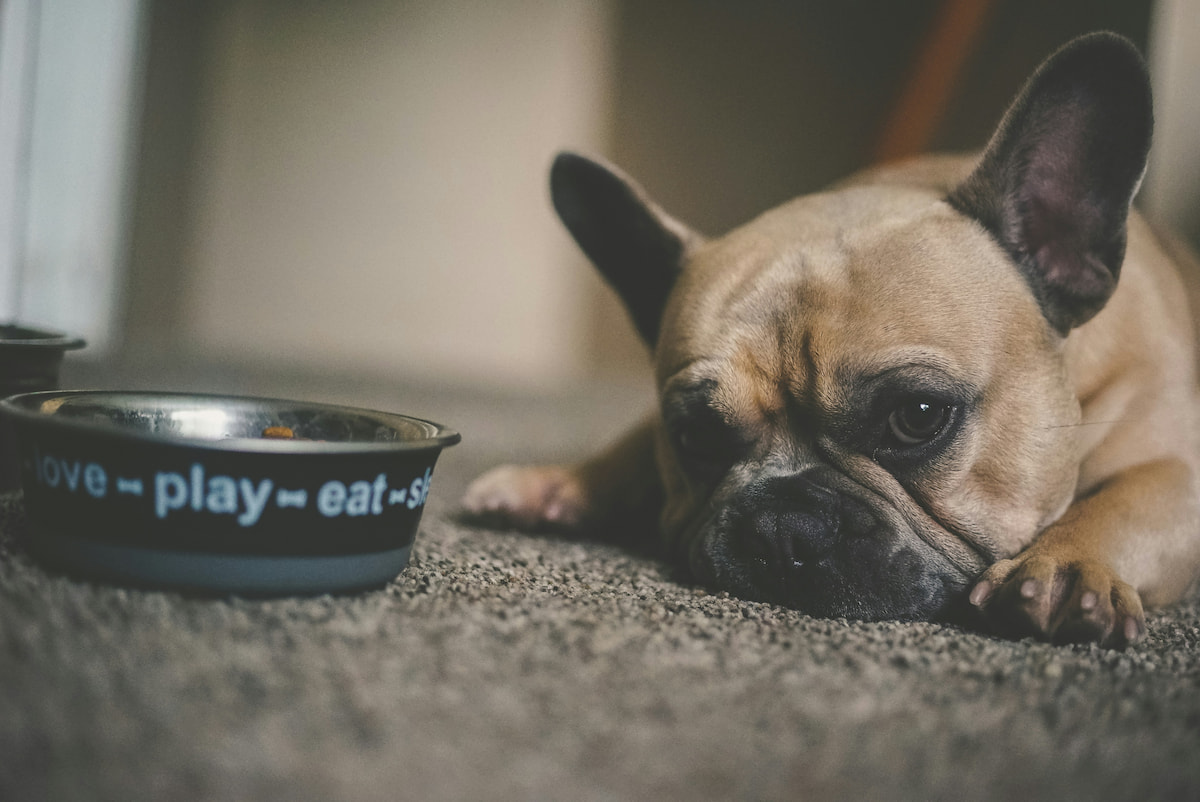
Occasional skipped meals are common in dogs. Learn why it happens, when it’s normal, and when appetite loss needs attention.
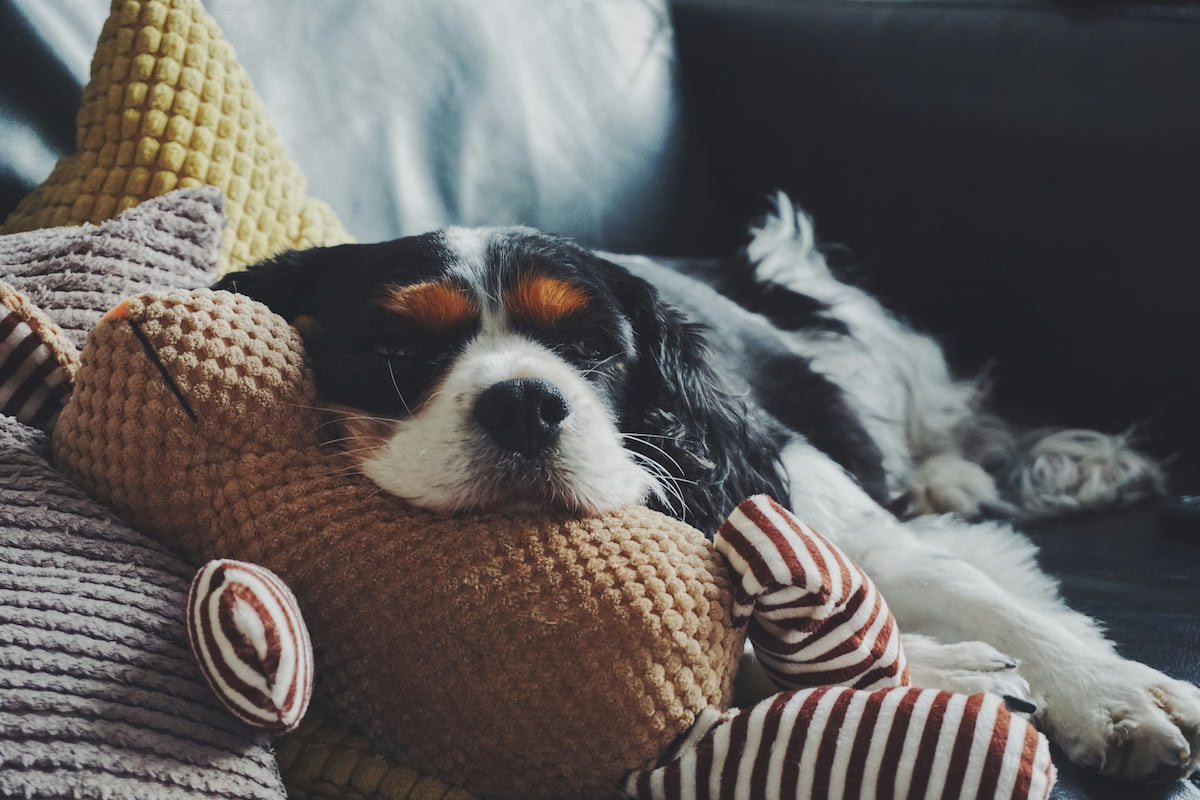
Stress can trigger digestive upset in dogs, including soft stool, gas, or appetite changes. Learn how the gut reacts to stress and when to worry.
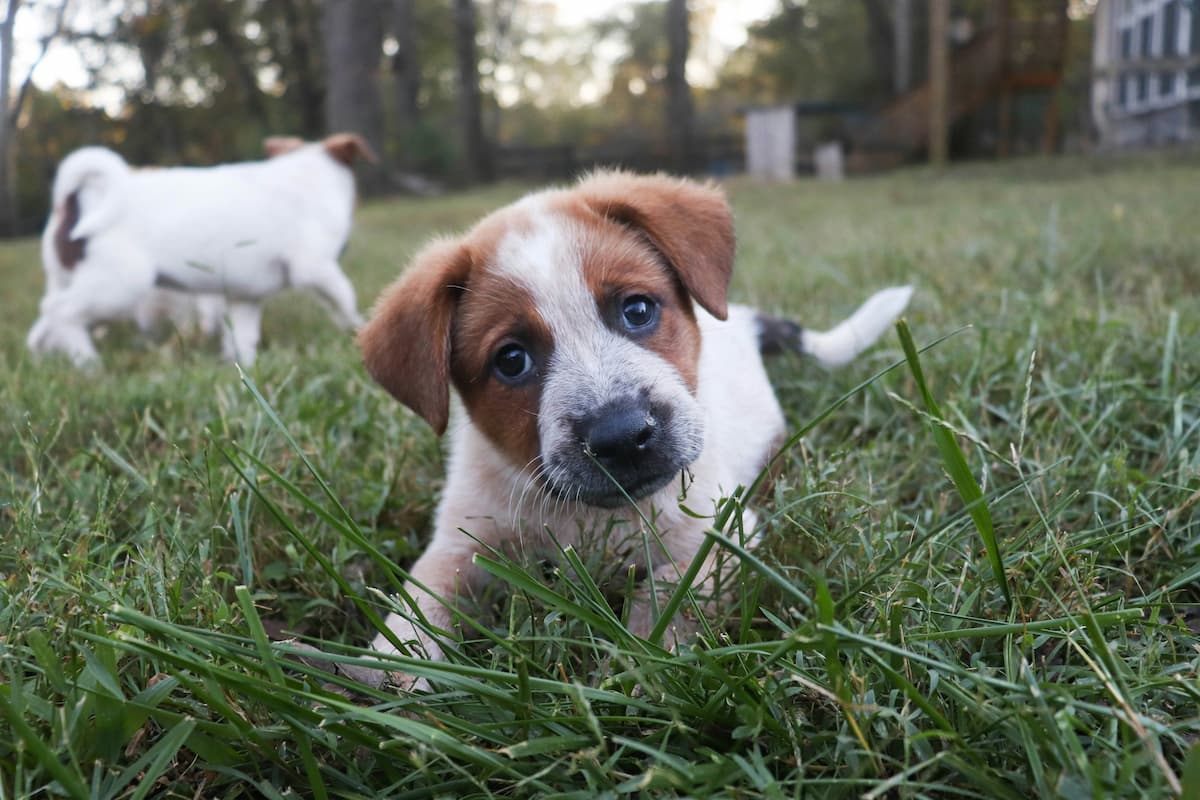
Soft stool that isn’t quite diarrhea is common in dogs. Learn what causes it, what’s normal, and when it’s time to call your vet.
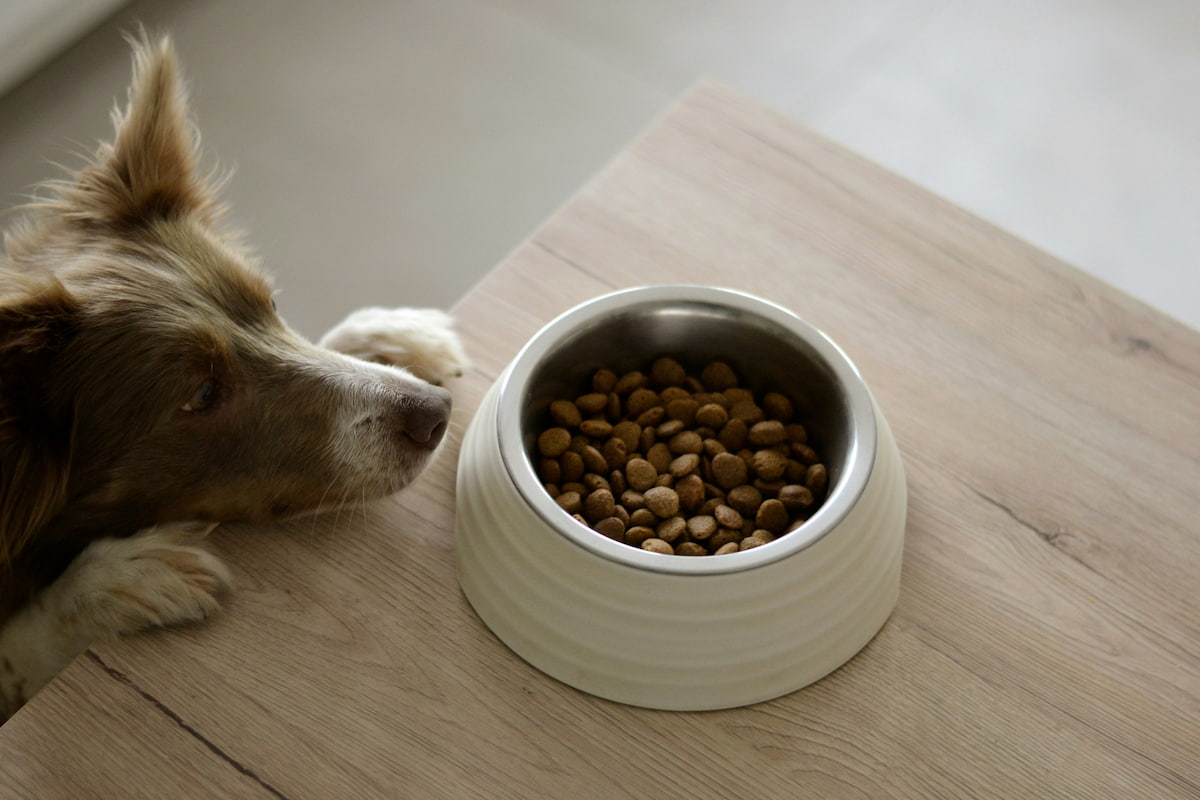
Not sure what to feed a dog with a sensitive stomach? Learn which foods are easiest to digest, what to avoid, and how to reduce stomach upset.
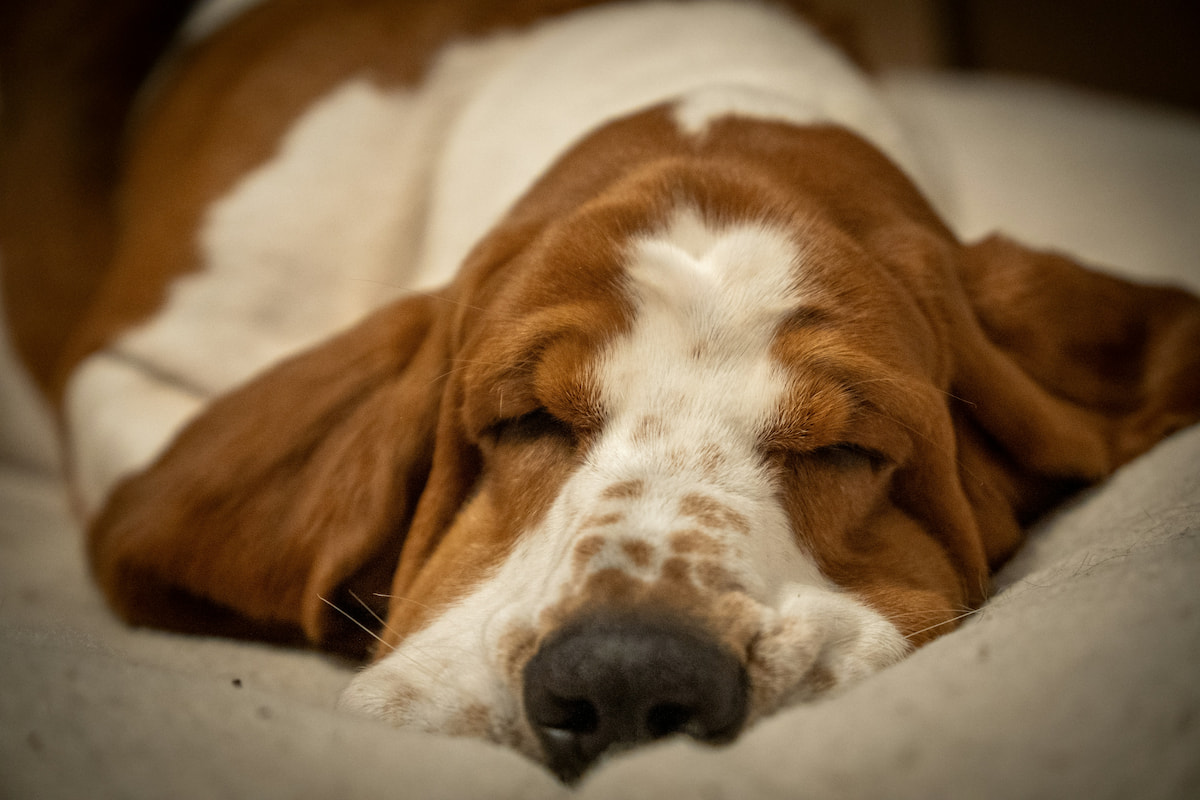
Frequent gas in dogs is often caused by diet, swallowing air, or digestive sensitivity. Learn why it happens and when it may signal a problem.
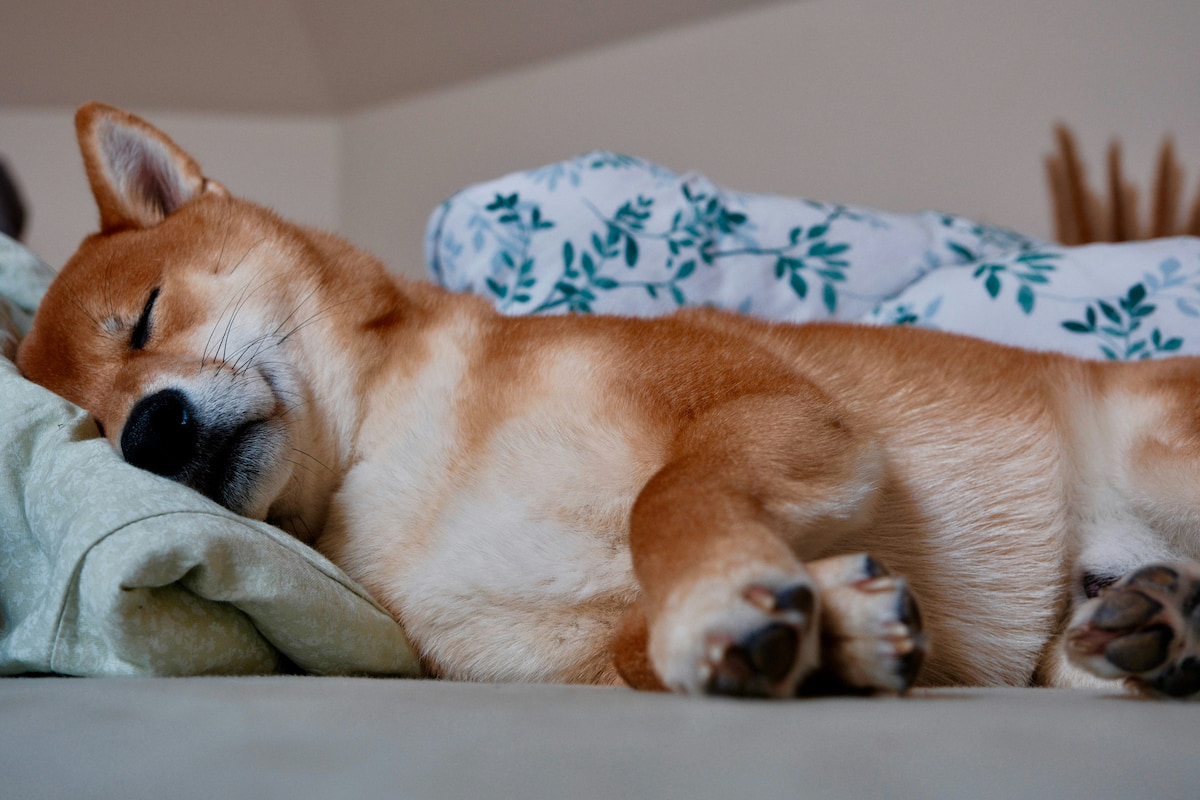
If your dog seems uncomfortable but isn’t vomiting or having diarrhea, mild digestive upset may be the cause. Learn common reasons, what you can do at home, and when to call your vet.
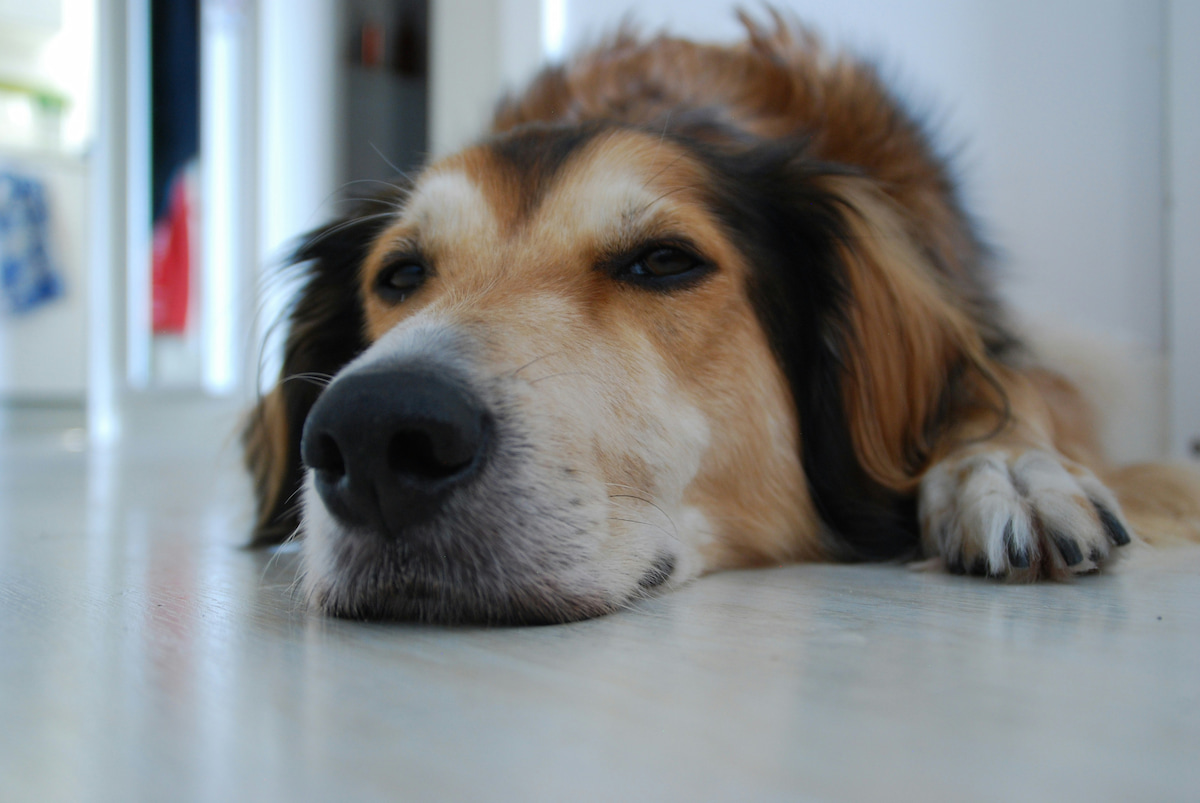
Hearing your dog’s stomach make noises when lying down is usually normal. Learn common causes, what’s harmless, and when to contact your vet.
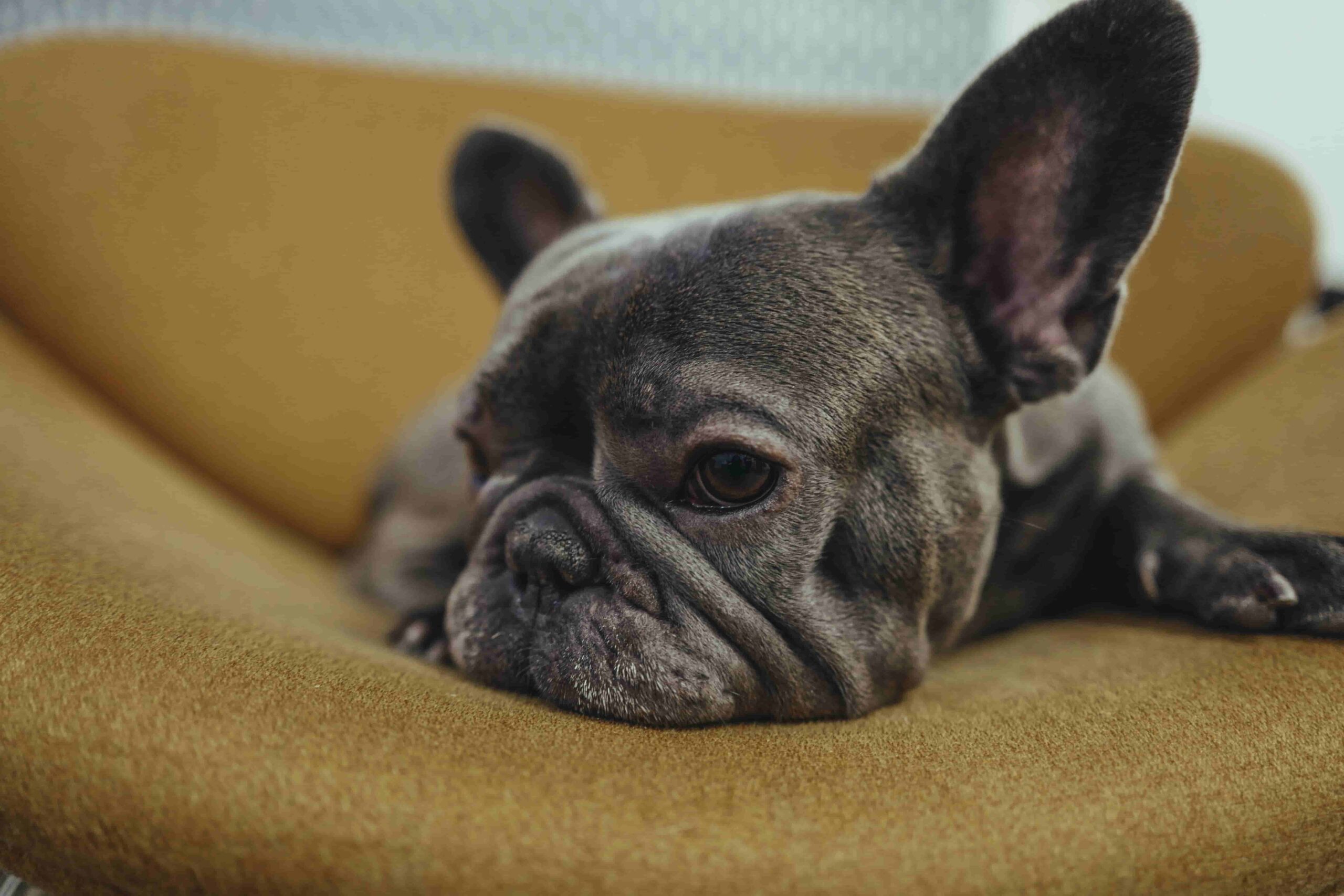
Hearing your dog’s stomach gurgle after eating can be unsettling. In most cases it’s normal digestion, but sometimes it can point to mild stomach upset. Here’s how to tell the difference.
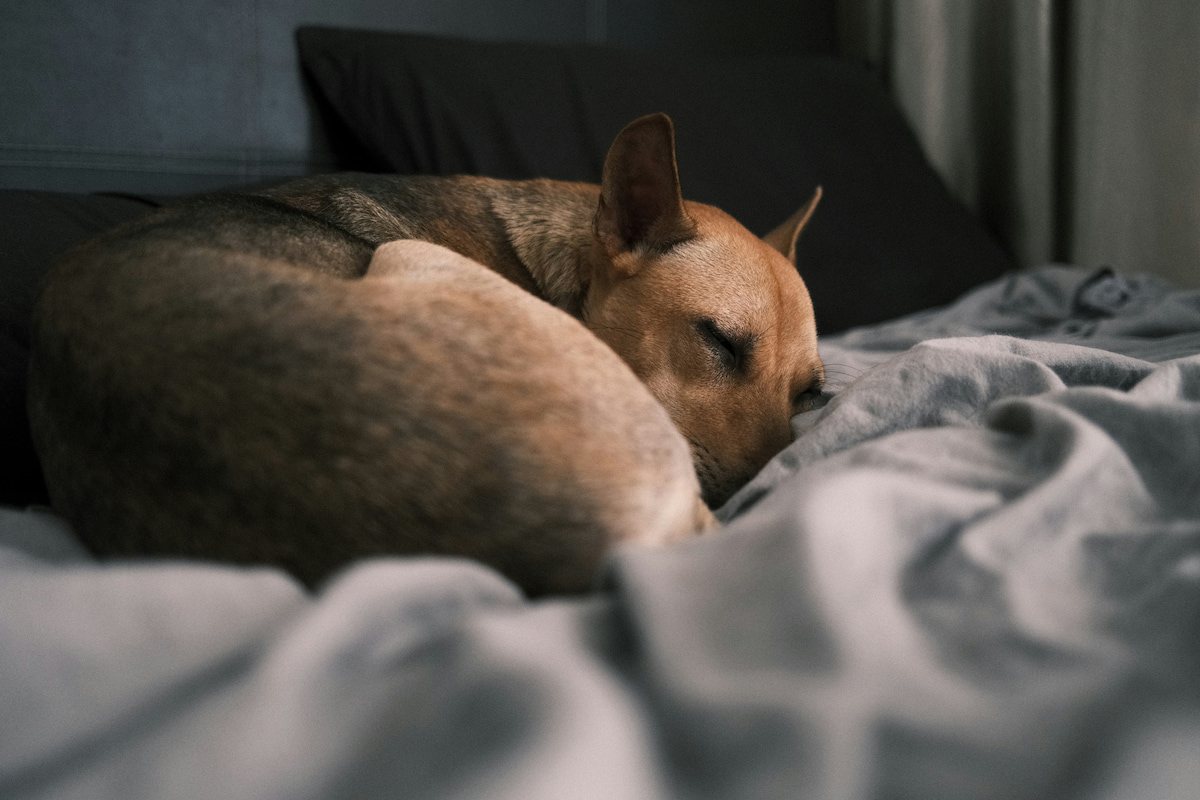
Dog stomach growling at night is usually normal and related to digestion or mild hunger. Learn common causes, what’s harmless, and when to call your vet.