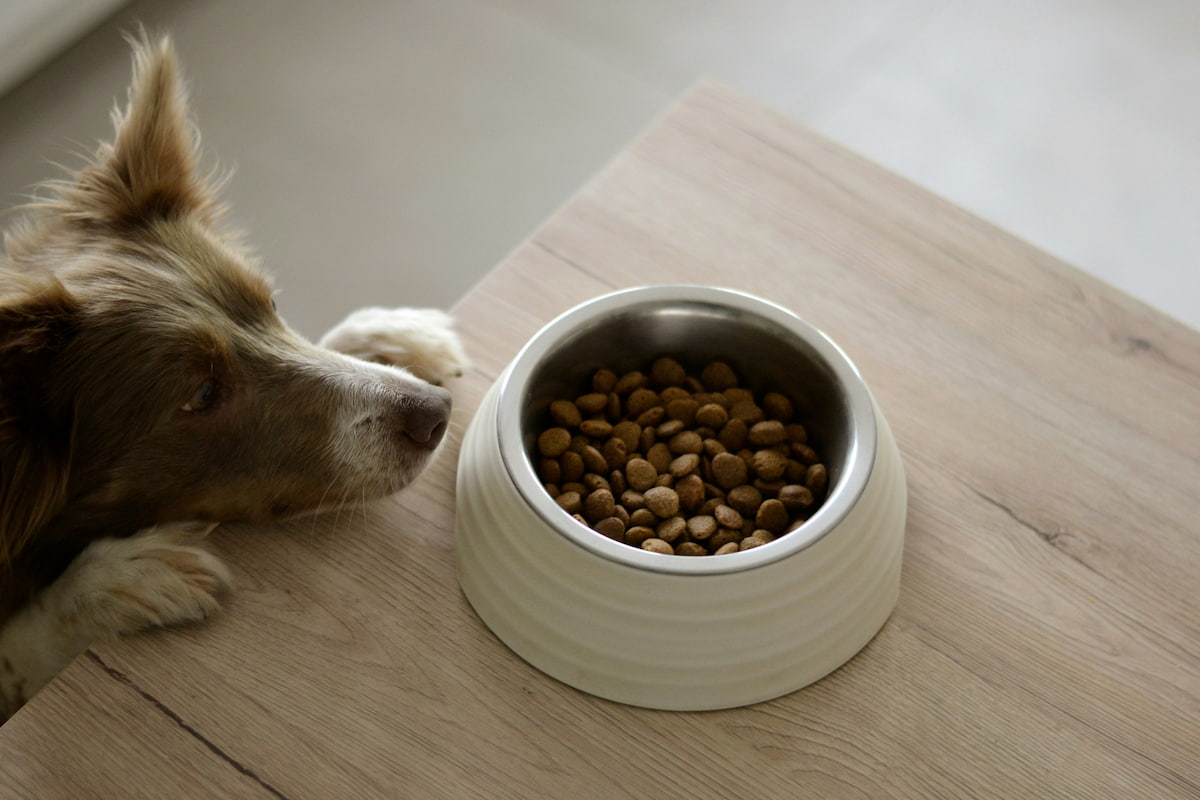
If your dog has a sensitive stomach, mealtimes can feel like a guessing game. One food works for a while, then suddenly doesn’t. Another causes gas, loose stools, or an upset belly for reasons that feel personal.
The good news is that many dogs with sensitive stomachs do very well once their diet is simplified and consistent.
The Short Answer
Dogs with sensitive stomachs usually do best with simple, easily digestible foods, limited ingredients, and gradual changes. The goal is to reduce irritation and give the digestive system a break — not to overwhelm it with variety.
Signs Your Dog May Have A Sensitive Stomach
A sensitive stomach doesn’t always mean dramatic symptoms. Common signs include:
- frequent gas
- soft or inconsistent stools
- stomach gurgling
- occasional vomiting
- picky eating or skipping meals
If these happen regularly, diet is often part of the picture.
Best Foods For Dogs With Sensitive Stomachs
Plain, Easily Digestible Proteins
Simple proteins are often easier on digestion, such as:
- chicken
- turkey
- lean beef
- fish
Novel proteins may help some dogs, but simplicity matters more than novelty.
Simple Carbohydrates
Gentle carbs can help firm stools and calm digestion:
- white rice
- oatmeal
- potatoes
These are commonly used in bland diets for a reason — they’re easy to digest.
Limited-Ingredient Dog Foods
Foods with fewer ingredients make it easier to identify triggers and reduce irritation. Look for formulas with:
- one main protein
- one primary carbohydrate
- minimal additives
More ingredients does not mean better digestion.
Probiotics And Gut Support
Some dogs benefit from probiotics or foods formulated to support gut bacteria balance. These can help reduce gas and improve stool consistency over time.
Always introduce probiotics gradually.
Foods That Often Upset Sensitive Stomachs
Dogs with sensitive digestion may struggle with:
- fatty or greasy foods
- rich treats
- dairy products
- table scraps
- sudden diet changes
Even small amounts can cause noticeable symptoms — sometimes hours later, which makes the cause harder to spot.
How To Switch Foods Safely
Abrupt food changes are one of the most common reasons dogs develop stomach upset.
A gentle transition looks like:
- mixing small amounts of new food into old food
- increasing slowly over 7–10 days
- watching stools and behavior closely
Slow changes save everyone stress — including the dog.
Feeding Tips That Actually Help
Beyond food choice, these habits can make a big difference:
- feed smaller, more frequent meals
- keep mealtimes consistent
- avoid frequent treat changes
- resist the urge to “fix” symptoms with constant food swaps
Sensitive stomachs like routine, even when we don’t.
When To Call Your Vet
Contact your veterinarian if digestive issues:
- don’t improve with diet changes
- worsen over time
- are paired with weight loss, lethargy, or vomiting
- include persistent diarrhea
Some dogs need medical guidance or prescription diets to stay comfortable.
The Takeaway
Feeding a dog with a sensitive stomach isn’t about finding the “perfect” food — it’s about finding what your dog tolerates consistently.
Simple ingredients, slow changes, and steady routines often do more for digestion than chasing the latest option. When in doubt, less variety is usually more.